

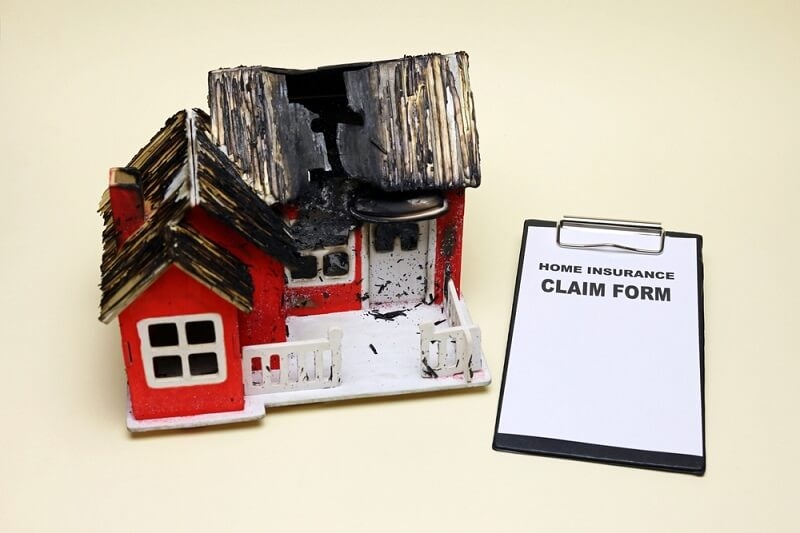
A fire leaves very little room to think clearly. Once the damage is done and the site is safe, insurance becomes the next problem. That is usually where frustration starts.
Most people assume a fire damage claim is just a form and a few photos. In reality, fire damage claims are judged on detail, timing, and how well the loss is shown on paper. Miss something early and it often shows up later as a lower payout or a drawn-out review.
This is how the fire loss claim process usually plays out and what tends to make a difference.
A fire damage claim is tied to more than visible burn marks. A standard fire damage insurance claim can include damage from heat, smoke, soot, and the water used to stop the fire.
That usually means:
Coverage is not theoretical. It depends on policy limits and how clearly each loss is shown. Two similar fires can lead to very different fire damage claims simply because one was better documented.
Must Read: Top Insurance Claim Mistakes to Avoid for Quick Payouts
The first thing insurers care about is whether the property was protected after the fire. That does not mean repairs. It means basic steps like securing doors, covering openings, and stopping further exposure. Skipping this can raise questions later.
Once that is handled, the fire damage insurance claim should be reported right away. This does not require full numbers. It only opens the file. Date, location, and basic damage details are enough at that stage.
Where most fire damage claims start losing ground is documentation. Photos and video should be taken before cleanup begins. Not just the obvious damage, but smoke staining, water damage, and areas people usually ignore. Cabinets, closets, vents, and storage spaces matter more than most people expect.
After that comes the inventory. This is not a rough list. It is a record of what was damaged or lost, when it was bought, and what it would cost to replace today. This inventory is one of the main things a fire damage claims adjuster relies on.
Only after all of that does the actual fire damage claim get submitted. Accuracy matters here. Rushed or incomplete forms usually slow the fire loss claim process rather than speeding it up.
A fire damage claims adjuster is not guessing. Their job is to verify damage, confirm coverage, and attach numbers to what can be supported.
They inspect the property, review photos, go through inventories, and compare everything against the policy. Damage that is not shown clearly often does not make it into the estimate.
Being present during inspections helps. So does pointing out damage that is easy to miss. Once the adjuster’s report is written, changes become harder.
Explore More: How to Successfully Appeal a Denied Insurance Claim
Most problems in fire damage claims come from the same places.
Items are thrown away before being documented.
Smoke damage is underestimated or ignored.
Inventories are vague or incomplete.
Policy limits are not understood until late in the process.
None of this is intentional. It happens because people are trying to move on quickly after a stressful event. Unfortunately, those early shortcuts often reduce the value of a fire damage insurance claim.
Do not rush cleanup before documenting everything.
Keep damaged items until inspections are complete.
Save receipts for hotels, food, and clothing if displaced.
Use email when possible so conversations are documented.
Read the adjuster’s estimate carefully instead of assuming it is final.
For large or complex fire damage claims, outside help can be useful. Not every situation needs it, but bigger losses leave less room for error.
There is no fixed timeline. The fire loss claim process moves faster when documentation is solid and communication stays consistent.
Smaller fire damage claims may resolve in weeks. Larger fire damage insurance claims involving reconstruction often take longer. Delays are usually tied to missing information, not insurer intent.
Many claim problems start before a fire ever happens. People who keep photos of belongings, save receipts for major purchases, and understand their coverage limits usually have smoother fire damage claims.
It does not prevent loss, but it reduces friction when filing a fire damage claim later. It also shortens back and forth with the insurer and lowers the chances of missed items. When details are already available, decisions get made faster and with fewer disputes. It also helps you push back when something feels off instead of accepting the first number put in front of you. When you understand how the claim is reviewed, conversations stay factual, not emotional. That usually leads to fewer delays and fewer missed costs.
You may also like: How to Maximize Your Insurance Coverage Benefits Efficiently
A fire damage claim is not about filling space on a form. It is about showing the full impact of the loss clearly and early. Fire damage claims work best when details are documented, damage is not minimized, and the fire loss claim process is handled with patience instead of urgency.
Knowing how a fire damage insurance claim is evaluated and how a fire damage claims adjuster works gives you leverage when you need it most.
As needed. Timely responses help keep the fire damage claim moving without delays.
Most reductions come from missing documentation or incomplete inventories, not outright denial.
Yes. Smoke and soot damage are part of fire damage claims when they are clearly documented.
This content was created by AI